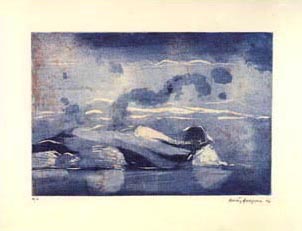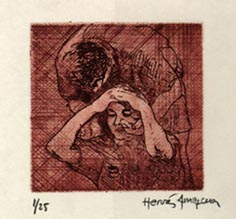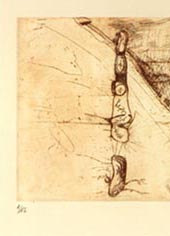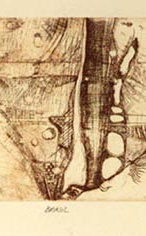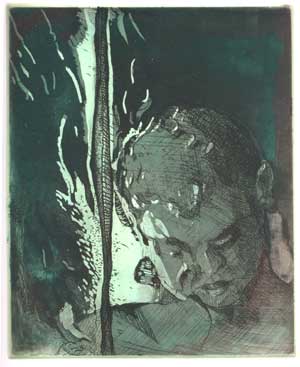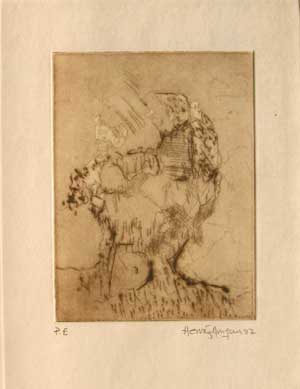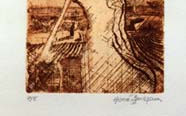
| Grabados para la carpeta La respiración de las plantas: |
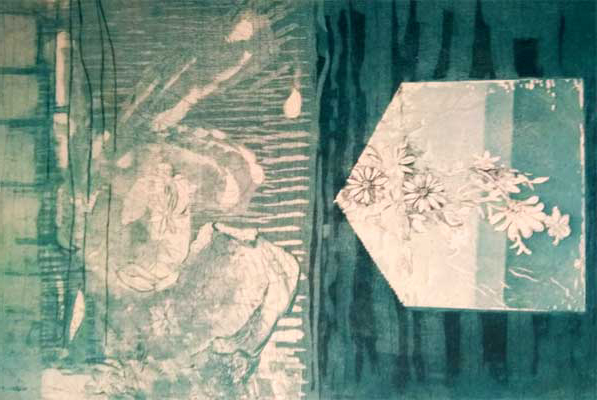 |
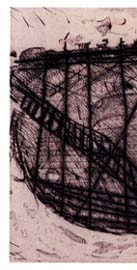
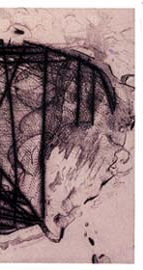
| Mur i cristall del temps. Grabado al aguafuerte, aguatinta y punta seca sobre plancha de cobre de 33x50 cm, 2020 |
 |
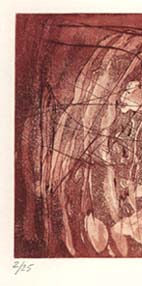
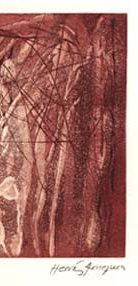
| La veu del silenci. Grabado al aguafuerte y aguatinta entintado a la poupée sobre plancha de cobre de 33x50 cm., 2020 |
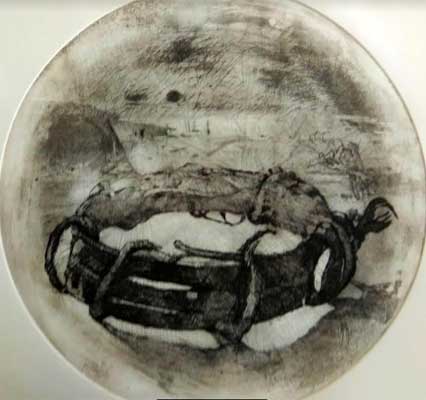 |
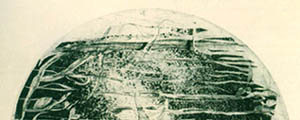
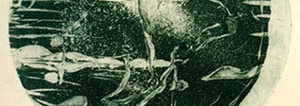
| Memòria d'arbre. Grabado al aguafuerte, aguatinta y punta seca sobre plancha de cobre de 45 cm. de diámetro, 2019-2020 |
 |
| Muro y cristal del tiempo Salvados, por un instante, los pétalos en el espejo del agua. Abiertas, inciertas, las ventanas por donde el hoy, silente, se escurre hacia el ayer por donde penetra en el ahora lo que ha de suceder y se hace presente fugaz, inalcanzable Se encaraman hasta los ojos los nombres de la memoria: persianas bajadas que resquebrajan la luz para que no se queme la penumbra tenue donde reposan las flores desarraigadas. La habitación se va vistiendo de aromas, viajan contigo en su vuelo dentro del aire: recluidas en la mente que las preserva danzan como nubes las plantas con el viento Respira el mundo y hacemos del sueño refugio Carles Duarte Este poema acompañará en la carpeta al grabado Mur i cristall del temps |
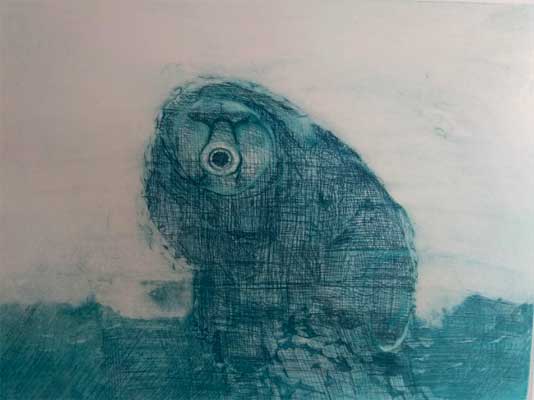 |
| Tardigrado. Grabado al aguafuerte y gofrado sobre plancha de cobre de 24x33 cm, 2020 |
|
|
| En motiu del 50é aniversari de la formació de la Coral Sellarès, els integrants de l’entitat van decidir encarregar a l’artista Antonio Hervás la creació d’un gravat per conmemorar el seu mig segle d’història. La inspiració per al gravat, va arribar en l’actuació que la Coral va fer al Palau de la Música de Barcelona aquest passat juliol, sota la direcció de Salvador Brotons. 2015 |
 |
 |
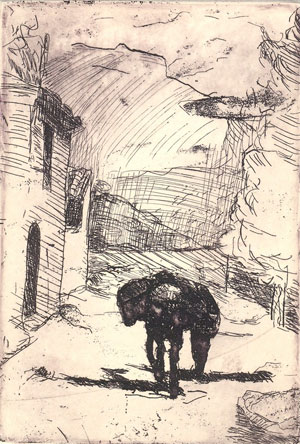
Arriero |
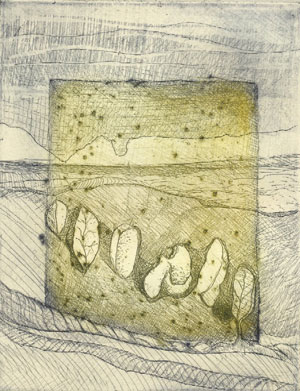
Sunset fragments |
 |
 |
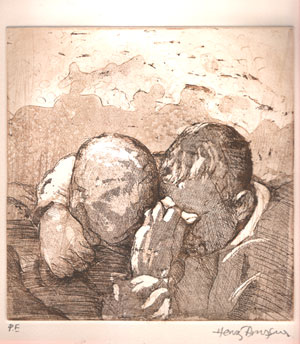
Courage |
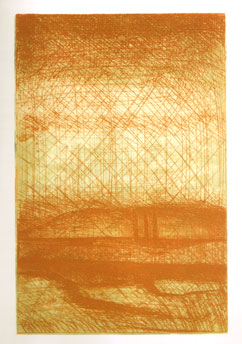
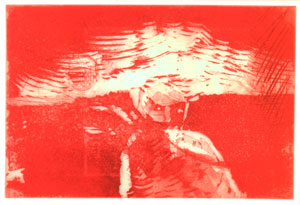
Autumn. Aquatint etching. 80 copies. 1991. |
 |
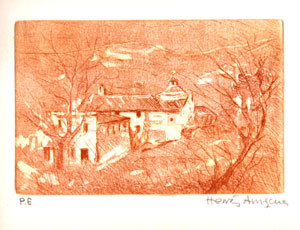 |
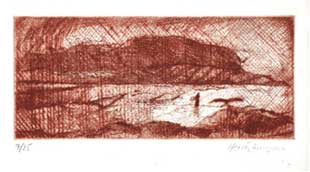
| Garraf roig. Aquatint etching. 25 copies. 2003. | Hermitage. Museum of rural life. L'Espluga de Francolí, Tarragona. |
 |
 |
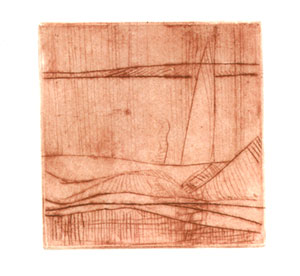
Veles. 50 copies, 1997. |
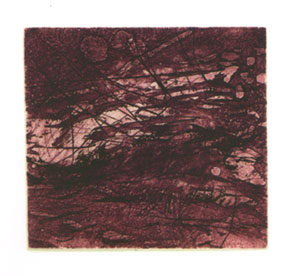
Little heaven . Aquatint etching. 20 copies, 1992. |
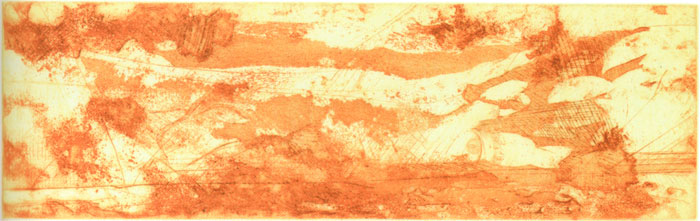 |
| Gaze. Aquatint etching. 20 copies, 2002. |
|
 |
 |
|||
|
 |
 |
|||
 |
|||||

| Below: monotypes of the series Windows of Manhattan (2007), inspired by the work of the same title by Antonio Muñoz Molina |
 |
 |
 |
 |
 |
 |
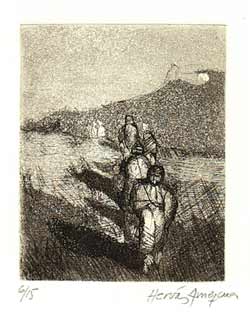
Homecoming. Gavá, 2005 |
Fanal. Exclusive work for the City Council of Viladecans, Barcelona 2001 |
 |
 |
|
Azabara. 25 copies. Mallorca, 2004 |
Llum de capvespre. 80 copies, 2007. |
 |
Inspired by the same name Carlos Duarte's poem |
| Y
proclamé más dichosos a los muertos que a los vivos, Y más que a todos ellos a los que aún no han nacido. Eclesiastés, 4.2 Aquel
que aún no ha nacido, Tal
vez sea feliz Quizás
sea feliz Yo no podría serlo.
Carlos Duarte. |
|